When it comes to protecting structures from potential disaster, bracing seismic plays a crucial role in ensuring the safety and stability of buildings. Seismic bracing refers to the use of specialized materials and design techniques to strengthen structures and help them withstand the forces of earthquakes and other seismic events. The goal of seismic bracing is to minimize damage and reduce the risk of collapse during a seismic event, ultimately saving lives and preserving property.
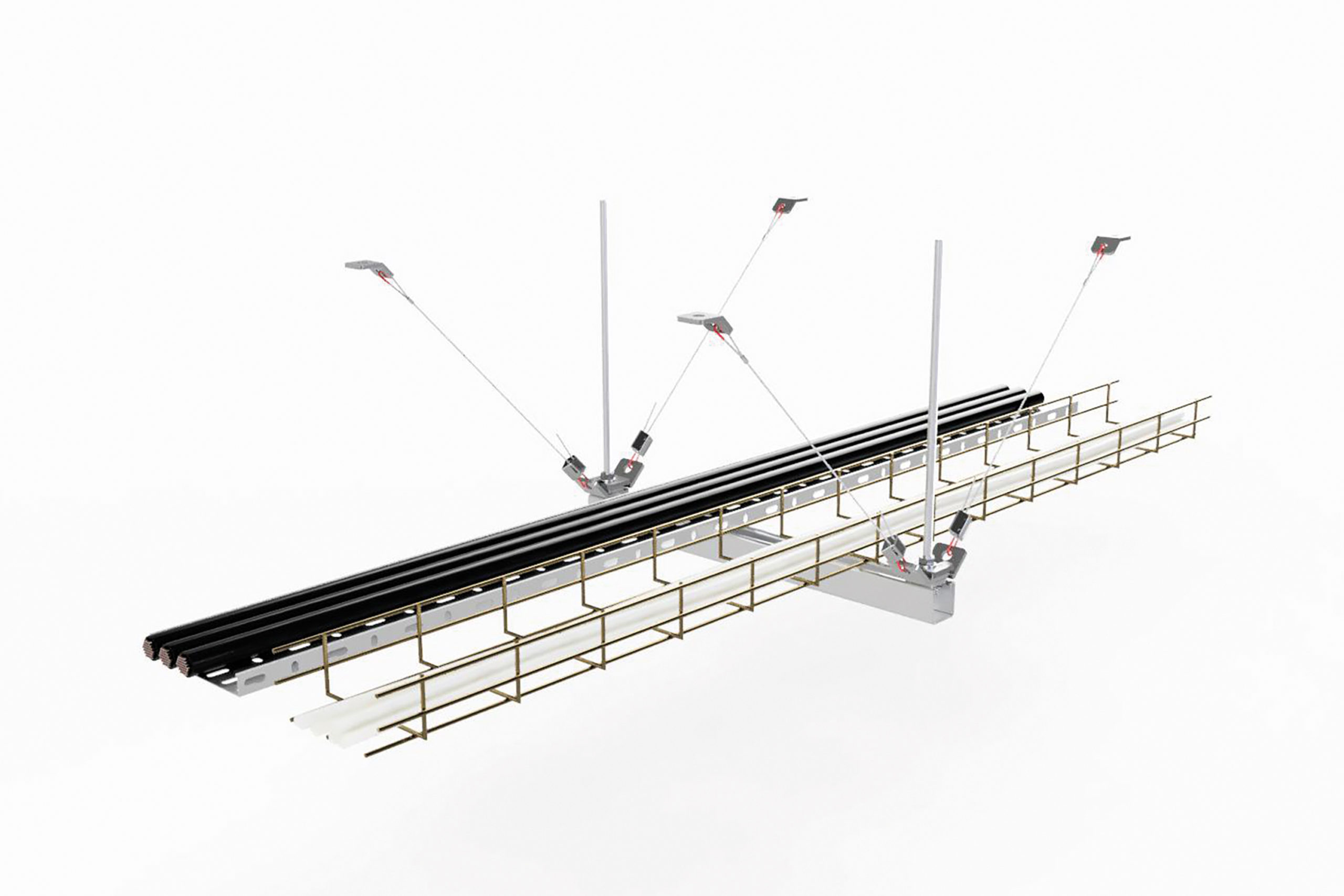
Seismic activity is a constant threat in many parts of the world, particularly in areas located near fault lines or tectonic plate boundaries. Earthquakes can strike with little to no warning, and their impact can be devastating. Buildings that are not properly braced for seismic activity are at a much higher risk of sustaining serious damage or even collapsing during an earthquake. This is why it is essential for builders and engineers to incorporate proper seismic bracing techniques into their designs.
There are several key components that make up a successful seismic bracing system. One of the most important elements is the use of seismic-resistant materials such as steel or reinforced concrete. These materials are much stronger and more flexible than traditional building materials, allowing them to absorb and dissipate the energy generated by seismic waves. By using these materials in key structural elements such as beams, columns, and walls, engineers can significantly improve the overall seismic performance of a building.
In addition to using strong and flexible materials, engineers also rely on specialized bracing techniques to enhance the seismic resilience of a structure. One common method is the use of diagonal bracing, which involves installing diagonal members between structural elements to help distribute seismic forces more evenly throughout the building. This technique helps to prevent the building from swaying or collapsing during an earthquake, reducing the risk of structural failure.
Another important aspect of seismic bracing is the proper placement of structural elements within a building. Engineers must carefully consider the location and orientation of beams, columns, and walls to ensure that they are able to withstand seismic forces. By strategically placing these elements throughout the building, engineers can create a more stable and resilient structure that is better equipped to handle the stress of an earthquake.
One of the challenges of seismic bracing is balancing the need for strength and flexibility. While it is important for a building to be strong enough to resist seismic forces, it is equally important for it to be able to bend and flex without breaking. Buildings that are too rigid are more likely to sustain damage during an earthquake, while buildings that are too flexible may collapse under the strain. Achieving the right balance between strength and flexibility is essential for creating a successful seismic bracing system.
In addition to protecting buildings from damage, seismic bracing also plays a vital role in ensuring the safety of the people who inhabit them. When a building is properly braced for seismic activity, occupants are much less likely to be injured or killed during an earthquake. By reducing the risk of structural failure, seismic bracing can give people precious extra time to evacuate safely and seek shelter, ultimately saving lives in the event of a seismic event.
In conclusion, bracing seismic is a critical component of modern building design and construction. By using specialized materials, techniques, and design principles, engineers can significantly improve the seismic resilience of buildings and reduce the risk of damage or collapse during an earthquake. Investing in proper seismic bracing not only protects property and infrastructure but also saves lives and ensures the safety of occupants. As we continue to face the ever-present threat of seismic activity, it is essential that we prioritize the importance of seismic bracing in all our building projects.