In regions prone to earthquakes, the threat of structural damage is a constant concern. Buildings and infrastructure must be designed and constructed with the seismic forces in mind to ensure their stability and safety during a seismic event. One crucial element in this design is the seismic brace, a crucial component that helps to strengthen structures and prevent collapse.
A seismic brace is a structural element that is designed to absorb and dissipate the energy generated by seismic forces. These forces can cause buildings to sway and shift during an earthquake, putting immense pressure on the structural integrity of the building. seismic braces help to mitigate this pressure by providing additional support and stability to the structure.
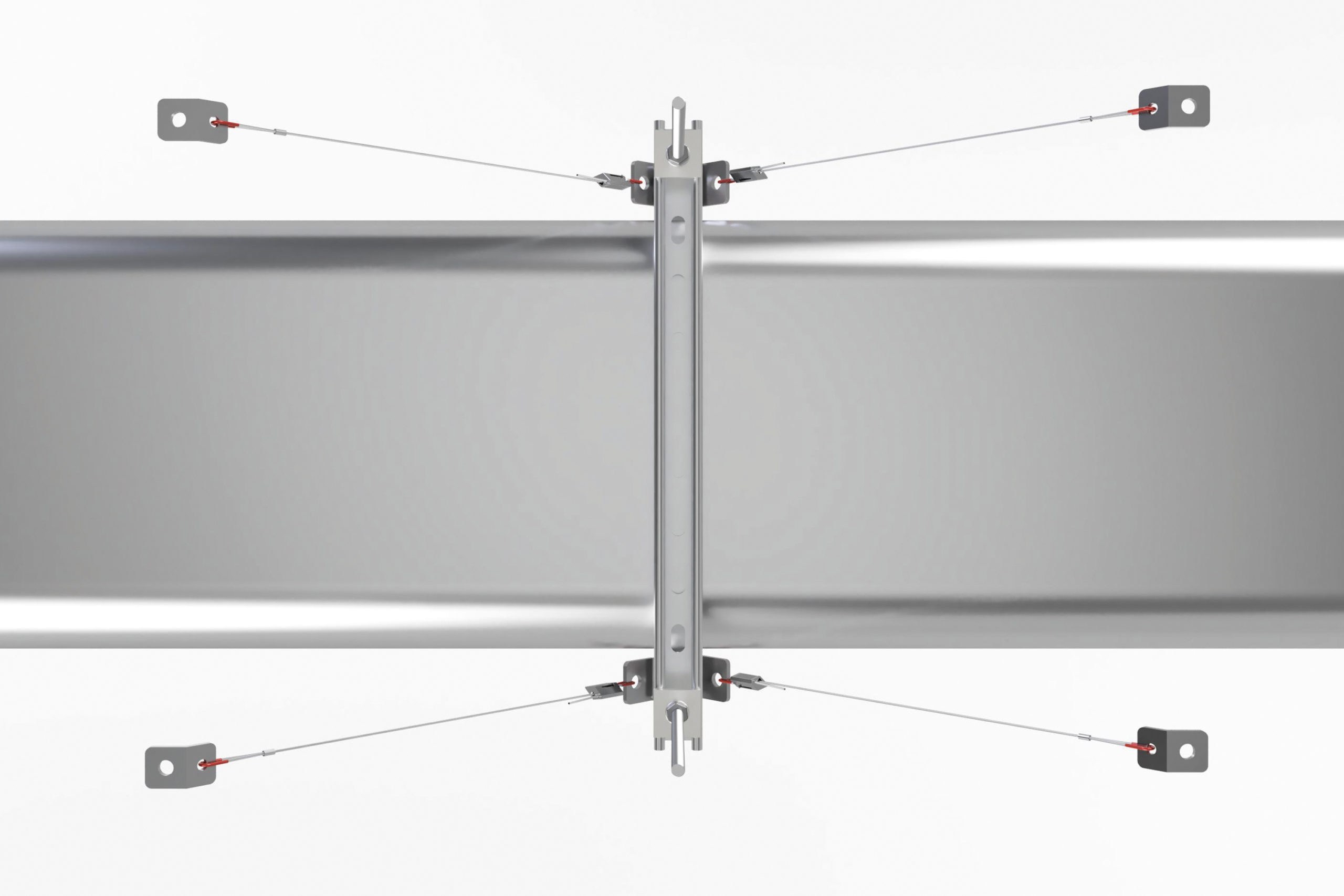
There are several types of seismic braces, each designed to serve a specific purpose in strengthening a building’s resistance to seismic forces. Some common types include brace frames, which are composed of diagonal steel braces that are installed within the building’s frame to improve its lateral stability. Buckling-restrained braces are another type of seismic brace that uses a combination of steel and concrete to absorb and dissipate energy during an earthquake.
The importance of seismic braces in seismic design cannot be overstated. Without these crucial components, buildings are at a much higher risk of collapse during an earthquake. This not only poses a threat to the safety of the building’s occupants but also to neighboring structures and the surrounding community. In regions with a high seismic risk, such as California and Japan, seismic braces are a mandatory component of building design and construction.
One of the key advantages of seismic braces is their ability to improve the overall performance of a building during an earthquake. By absorbing and dissipating energy, seismic braces reduce the magnitude of seismic forces acting on the structure, which helps to minimize damage and prevent collapse. In addition, seismic braces can also help to improve the building’s resilience to aftershocks, which are common occurrences following a major earthquake.
In retrofitting existing structures, seismic braces can be installed to strengthen the building and bring it up to current seismic standards. This is an essential step in ensuring the safety of older buildings that were constructed before modern seismic design practices were implemented. By adding seismic braces to these structures, engineers can significantly improve their resistance to seismic forces and reduce the risk of collapse during an earthquake.
The effectiveness of seismic braces in strengthening structures has been demonstrated time and time again in regions with high seismic activity. Buildings that are equipped with seismic braces have been shown to withstand powerful earthquakes and remain standing while neighboring structures suffer extensive damage. This highlights the importance of incorporating seismic braces into building design and construction to protect lives and property in earthquake-prone areas.
In conclusion, seismic braces play a crucial role in strengthening structures and improving their resilience to seismic forces. By absorbing and dissipating energy, seismic braces help to reduce the impact of seismic forces on a building and prevent collapse during an earthquake. In regions with a high seismic risk, seismic braces are a necessary component of building design and construction to ensure the safety of occupants and protect property. Retrofitting existing structures with seismic braces is a vital step in improving their resistance to seismic forces and reducing the risk of collapse. The importance of seismic braces in seismic design cannot be overstated, and their role in protecting lives and property during earthquakes is invaluable.