In recent years, the world has witnessed a significant increase in natural disasters, including earthquakes. These seismic events can cause massive destruction and devastation, leading to loss of lives and infrastructure damage. As a result, it has become more important than ever to implement measures to mitigate the impact of earthquakes. One such measure is bracing seismic.
bracing seismic refers to the process of strengthening buildings and structures to make them more resistant to seismic forces. This involves adding additional support elements, such as braces, to reinforce the structure and prevent it from collapsing during an earthquake. The goal of bracing seismic is to improve the overall stability and safety of a building, ensuring that it can withstand the forces exerted by an earthquake.
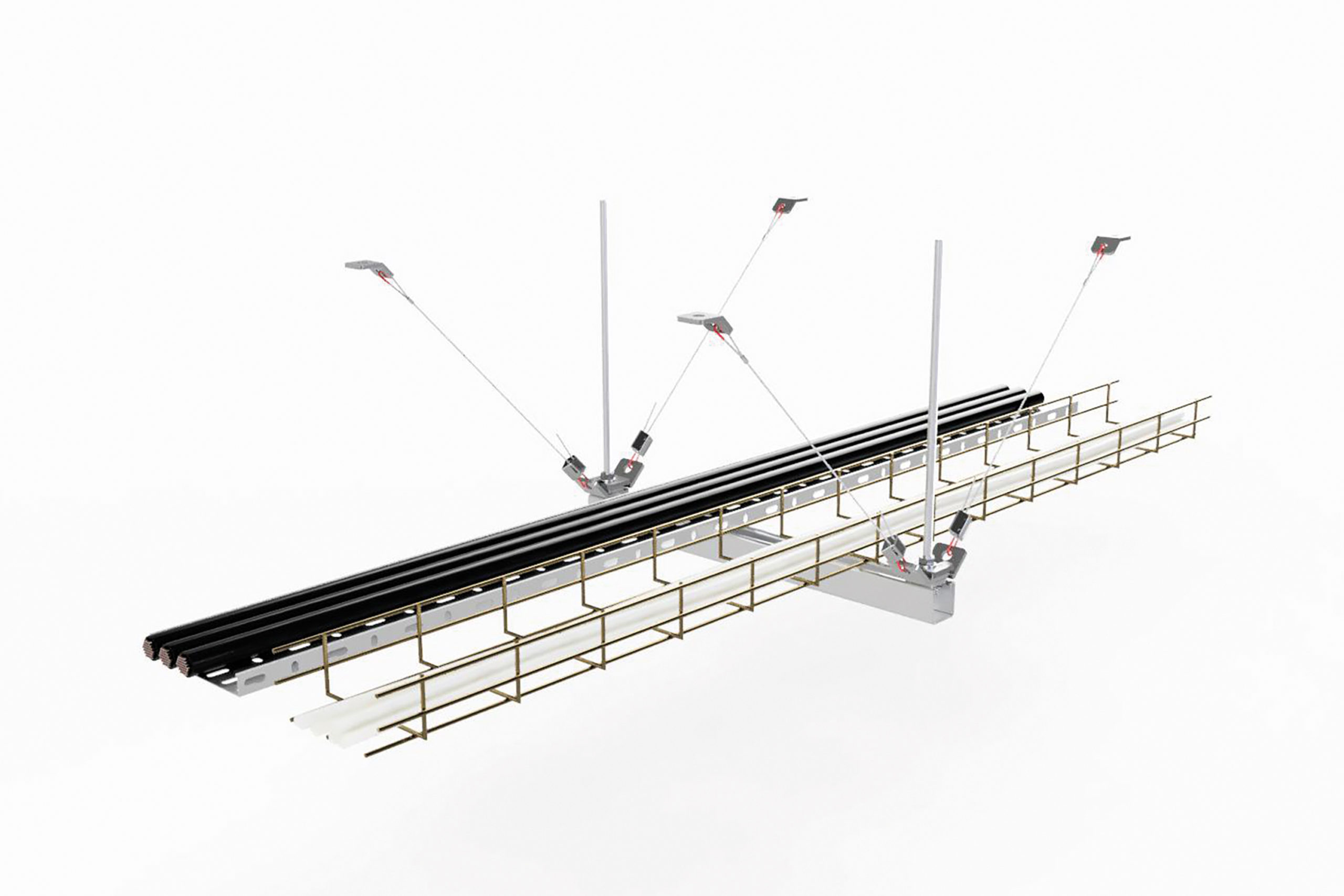
There are several key benefits to implementing bracing seismic in buildings. One of the most obvious benefits is increased safety. By strengthening a building with braces and other support elements, the risk of collapse during an earthquake is significantly reduced. This not only protects the occupants of the building but also minimizes the potential for injury and loss of life.
In addition to safety, bracing seismic can also help protect buildings from damage. During an earthquake, buildings are subjected to powerful forces that can cause structural damage, such as cracks or fractures. By adding braces and other reinforcement measures, the building can better withstand these forces and minimize the risk of damage. This can save building owners significant time and money on repairs and reconstruction in the event of an earthquake.
Furthermore, bracing seismic can enhance the overall durability and longevity of a building. By strengthening the structure with braces, it becomes more resilient to seismic forces and other external factors that can cause damage over time. This can prolong the lifespan of the building and reduce the need for costly maintenance and repairs in the future.
Implementing bracing seismic in buildings is not a one-size-fits-all solution. The specific requirements and measures needed to strengthen a building will depend on a variety of factors, including the size and type of the structure, the local seismic activity, and building codes and regulations. It is essential to work with experienced engineers and architects who specialize in seismic design to develop a customized bracing seismic plan that meets the unique needs of a building.
There are several common types of braces used in bracing seismic. One of the most popular types is the diagonal brace, which is installed at an angle between two points on a building’s frame to provide lateral support. Diagonal braces are often made of steel or other high-strength materials to ensure they can withstand the forces of an earthquake. Other types of braces include X-braces, knee braces, and eccentric braces, each offering unique benefits in strengthening a building’s structure.
In addition to braces, other methods can be used to reinforce buildings for seismic resilience. These may include shear walls, moment frames, and base isolators, which work together to dissipate and absorb seismic forces. By combining these different elements, buildings can be effectively fortified against earthquakes and other natural disasters.
It is important for building owners and stakeholders to prioritize bracing seismic as part of their overall risk management strategy. Investing in seismic strengthening measures can not only protect lives and property but also ensure the long-term sustainability of buildings and infrastructure. By working with experts in seismic design and construction, buildings can be made more resilient and prepared for the unexpected challenges posed by earthquakes.
In conclusion, bracing seismic is a critical component of building resilience in the face of earthquakes. By strengthening structures with braces and other support elements, buildings can better withstand the powerful forces of seismic events and minimize the risk of damage and collapse. Investing in bracing seismic is a proactive step towards ensuring the safety, durability, and longevity of buildings in seismic-prone regions.